
10 Things to Know Before Building Your Custom Home in Texas
- Robert Rutkowski
- Aug 1, 2025
- 5 min read

Updated: Aug 3, 2025

By Robert Rutkowski | Texas Custom Home Specialist
Building a custom home in Texas is one of the most exciting and rewarding journeys you can take — but it’s also one filled with unexpected twists if you don’t prepare properly. Over the years, I’ve worked with families from across the U.S., helping them turn raw land into their dream homes — whether it’s a hill country retreat outside Austin or a modern farmhouse in New Braunfels.
Here are the 10 most important things I always tell my clients before they start building. These aren’t just tips — they come from real conversations, problems we solved together, and lessons learned from being deep in the trenches of the Texas custom home world.
1. Not All Lots Are Created Equal (Even If They Look Beautiful)
One of my clients, David and Lisa, moved from California to the outskirts of Dripping Springs. They fell in love with a 2-acre lot — great view, lots of trees. What they didn’t realize was that the slope of the land required a $40,000 retaining wall and additional soil work.
Before any of my clients purchase land, I always walk the lot with one of my trusted builders. We look at access, slope, drainage, soil, utilities, and potential issues you might not catch as a buyer.
Pro Tip: Always include a feasibility period in your land contract and walk it with your builder before closing.
2. The Right Builder Makes or Breaks Your Experience
I’ve worked with enough builders to know this: cheaper doesn’t mean better, and expensive doesn’t mean quality. When I guide clients to the right builder, it’s based on their budget, desired style, communication preferences, and long-term needs.
A couple from Houston, the Thompsons, wanted a modern, minimalistic home. I paired them with a builder that had a portfolio filled with clean lines and open layouts — and more importantly, a reputation for excellent post-build service. A year later, they still text me saying how happy they are.=
What I do: I’ve pre-vetted custom builders in every price category. I connect you with someone I’d trust with my own home.
3. Budgeting Requires Brutal Honesty and Flexibility
When people hear “custom home,” they often think, “I’ll just build what I want and make adjustments along the way.” That’s the fast track to financial headaches.
With my clients, I always do a realistic cost breakdown. Not just base price — but site prep, utility connections, landscaping, driveway, fencing, permitting, and contingency buffer.
One client, Marco, had a $650,000 budget. His original plan would’ve cost $720K once we added the extras. We reworked the layout, trimmed non-essential upgrades, and he came in under budget without sacrificing his vision.
Rule of Thumb: Add 10–15% contingency to your total budget. Always.
4. HOAs and Deed Restrictions Can Limit Your Vision
Don’t assume you can build whatever you want on your land. Many areas outside Austin or San Antonio still fall under HOA or developer rules — even in rural subdivisions.
Last year, a client from New York bought land near Canyon Lake thinking they could build a guest house and a detached garage. Turns out, the HOA didn’t allow separate structures or metal roofs. We had to re-draw plans from scratch.
Always check: building materials allowed, home size minimums, setbacks, fencing rules, and guest home policies before buying land.
5. Design with the Land in Mind — Not Just Pinterest
Your home should fit the land, not fight it. I’ve seen clients fall in love with a floor plan they found online, only to discover it wouldn’t work on a narrow or sloped lot.
That’s why I often bring in my architect partners early — to create a site-specific design. One client, a retired couple from Chicago, wanted all rooms to face west for sunsets. Their land had east-facing views. We flipped the floor plan, adjusted the window placements, and the result was stunning.
Tip: Prioritize orientation, views, shade, and natural topography in your layout.
6. The Permitting Process Can Be Surprisingly Long
Depending on your county or city, it can take 2 weeks or 2+ months to get permits approved. In Travis County, it’s notoriously slow. In Comal or Hays County, the process is smoother but still detailed.
One client building near Wimberley assumed they’d break ground in May. Permits came in July. We had planned for delays, so their timeline wasn’t crushed — but not everyone gets that lucky.
My role: I work with builders who have in-house permitting teams or consultants, which speeds things up dramatically.
7. Utilities Are a Hidden Budget Killer
If your land doesn’t already have utilities in place, this can be a major cost. Bringing in electric, septic, well, water lines, or even propane can add $10,000 to $60,000+ to your build.
A client near Bastrop had to drill a well and install a septic system — $28,000 total. If you don’t plan ahead, those numbers hit hard.
Tip: Always ask the land seller for utility availability and call the providers yourself before closing.
8. Choose Materials Based on Texas Climate, Not Trends
Metal roofs look amazing and last forever — but they heat up fast without proper insulation. Stucco is beautiful but can crack if not installed correctly. Wide eaves, impact windows, and shaded patios aren’t luxuries in Texas — they’re necessities.
One of my clients from Florida wanted floor-to-ceiling windows on the west side. I recommended low-E glass, extended roof overhangs, and thermal drapes. They thanked me after their first summer bill came in under $150.
Advice: Work with a builder and designer who understands how to build for heat, wind, and even flash floods.
9. Your Timeline Will Change. Be Ready.
No matter how well you plan, custom homes involve delays. Weather, inspections, supply chain issues — they all play a role. I set realistic expectations from day one.
A family from Arizona building outside Liberty Hill got caught in the 2023 lumber delay. Instead of stressing, we focused on finishes, made early decisions, and they moved in just 4 weeks behind schedule.
Golden Rule: Build with patience. And build with someone who communicates weekly.
10. You Need a Partner, Not Just a Realtor
When you build a custom home, you don’t need someone to just show you land. You need someone who can:
Analyze a lot's buildability
Recommend a vetted builder
Walk you through every budget line
Solve problems before they become costly
Help you stay sane during a complex build process
That’s what I do.
For me, this is personal. I’ve spent over 15 years in construction, almost a adecade in real estate and I’ve walked with many clients through this journey. Whether it’s helping you find the right land, reviewing your floor plan with a builder, or just answering your text on a Saturday about backsplash tiles — I’m there for it.
Final Thoughts
Building a custom home in Texas is more than just a project — it’s a legacy. It’s your space, your vision, your rules (within reason). But it only works if you start smart.
If you're considering building, let’s talk. I’ll help you avoid costly mistakes, connect you with trusted builders, and make sure your dream home doesn’t turn into a nightmare.
📍 Whether you're building in the Hill Country, near Austin, New Braunfels, San Antonio or any other city — I’ve got your back.
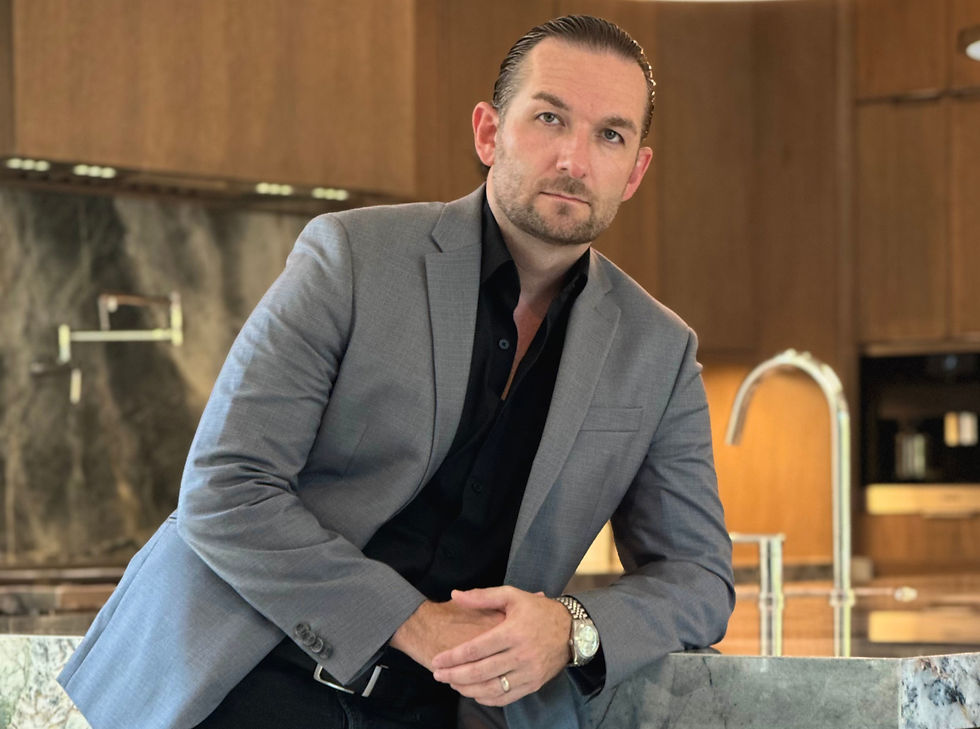
Robert Rutkowski
Texas Custom Home Specialist
Call/Text 210.404.6446

Comments